The Eyes That Protect Every Build: Why ACL's Inspection Team Matters
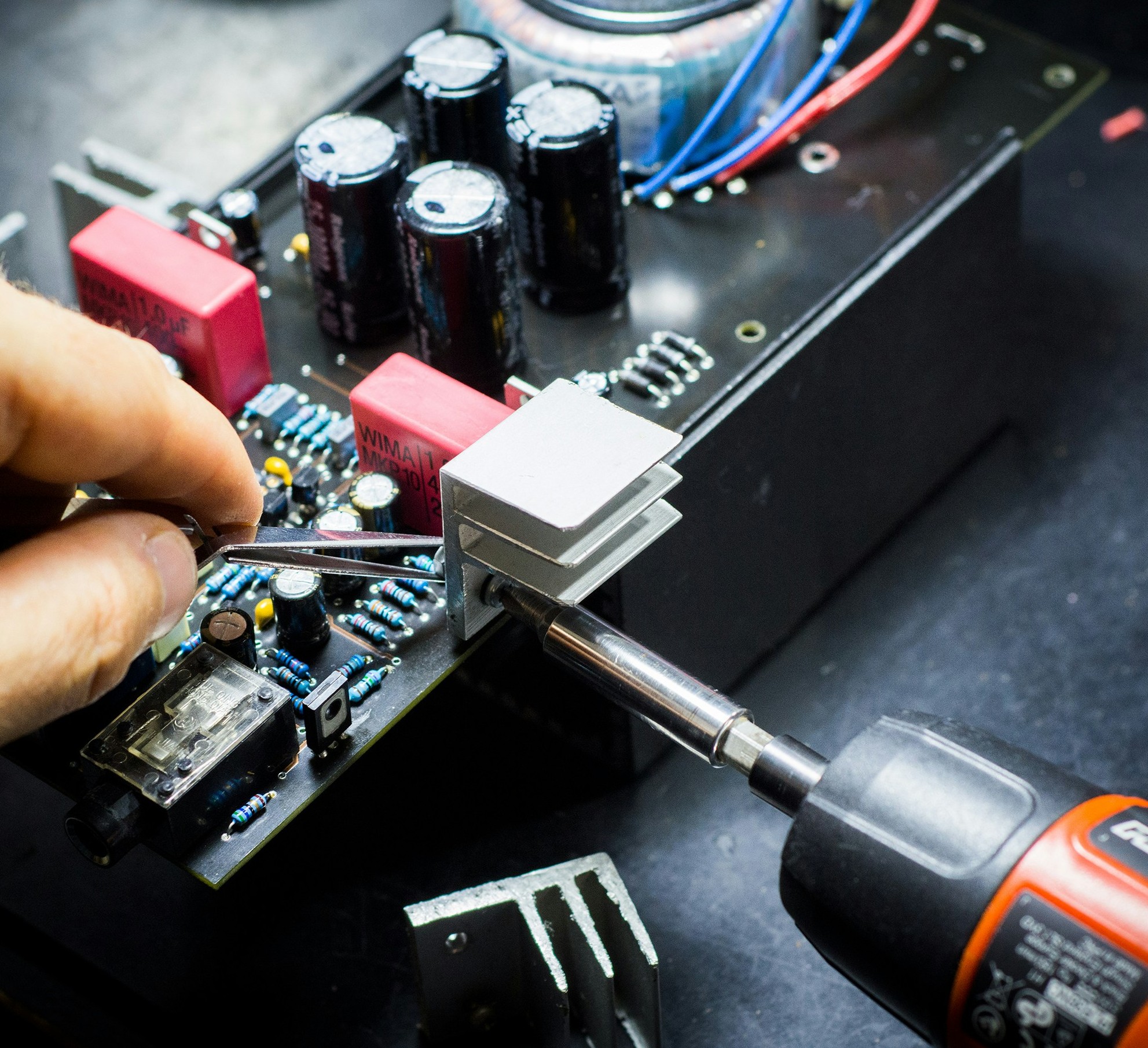
In contract electronics manufacturing, quality cannot be something that is checked only at the end of the production line. It has to be built into every stage of the process. At ACL, inspection plays a vital role in making that happen.
More Than Just a Final Check
It is easy to think of inspection as the final step before a product is shipped. In reality, an effective inspection team adds value throughout the manufacturing process. Inspection forms part of a wider quality approach, with multiple inspection points incorporated into manufacturing. This helps identify potential issues early, before they become costly problems further down the production process.
Whether it is checking component placement, solder joints, assembly quality, workmanship or finished products, inspection provides an additional layer of confidence that manufacturing requirements are being achieved. And that matters because even a small defect in an electronic assembly can have consequences far beyond the production floor.
Protecting Product Reliability
For OEMs and product designers, quality is about much more than appearance.
Electronic assemblies need to perform consistently and reliably in their intended application. Depending on the sector, products manufactured by a CEM can ultimately be used in demanding environments across industries including aerospace, defence, medical, industrial automation, energy, rail and scientific applications.
The inspection team's role is therefore fundamental.
By identifying issues before products reach the customer, inspection helps reduce the risk of failures, returns, field issues and costly rework. ACL itself highlights rigorous inspection standards and thorough testing as important contributors to reliable PCB assemblies.
Expertise Behind the Inspection
Modern electronics manufacturing relies heavily on sophisticated equipment and automated processes, but technology alone does not guarantee quality. People remain central to the process.
ACL's approach is based on a skilled workforce of trained, process-qualified professionals who are able to interrogate manufacturing processes and troubleshoot issues independently.
That expertise is particularly important when dealing with complex or high-mix production. An experienced inspection professional doesn't simply identify that something is wrong; they can help understand what has happened, communicate the issue to the relevant teams and contribute to finding the right solution.
This makes inspection a proactive part of manufacturing rather than simply a pass-or-fail function.
Inspection Creates Confidence
One of the biggest benefits of a strong inspection process is confidence. For ACL's customers, confidence means knowing that their products are being manufactured against clearly defined requirements and that potential problems are being identified and addressed.
ACL's quality philosophy includes transparent processes and welcomes customer audits and site visits, giving customers the opportunity to see its quality systems inaction.
That transparency is particularly valuable in contract manufacturing, where customers are entrusting an external manufacturing partner with an important part of their supply chain.
Quality Starts Before Production
Inspection also connects closely with activities that happen before manufacturing begins.
ACL provides Design for Manufacture (DfM) support and New Product Introduction services designed to identify potential manufacturing challenges early in the product development process. This is where inspection knowledge can become particularly valuable.
Feedback from production and inspection can help identify recurring issues, clarify requirements and contribute to continuous improvement. Instead of simply detecting defects, the goal is to learn from them and improve the process sothat the same issue is less likely to occur again. That philosophy supports ACL's wider commitment to continuous improvement, training and process refinement.
The Inspection Team: An Essential Part of the ACL Difference
A successful CEM relationship is built on much more than machinery, capacity and production capability. It depends on people who understand that the finished product represents the customer, their brand and their reputation - the inspection team is a crucial part of that responsibility.
They provide another set of expert eyes. They challenge processes, identify potential issues, protect product quality and help ensure that what is manufactured is what the customer expected. Ultimately, inspection is not about finding fault. It is about preventing problems, protecting reliability and giving customers confidence.
At ACL, quality is described as a mindset that permeates the organisation rather than simply a department. The inspection team is a perfect example of that philosophy in practice, because when your product carries your name, getting it right isn't an option - it's the standard.